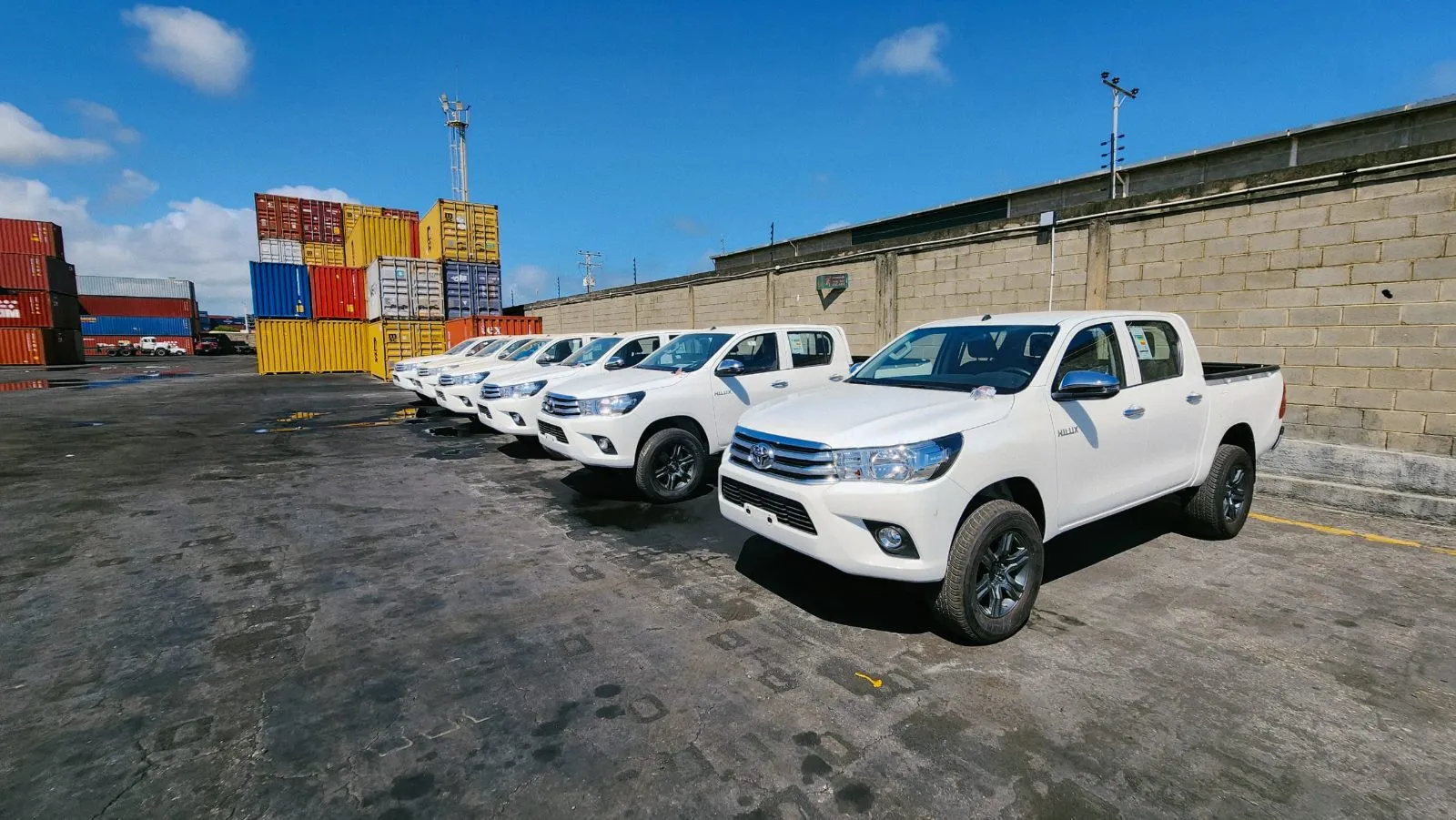
If you are trying to understand the cost to import a car to Venezuela, you have probably found different figures with little explanation. This guide does the opposite. It explains the items that make up the calculation, why they vary and which documents are needed to assess your case. No inflated figures or "all inclusive" promises: this is the breakdown we use when reviewing an operation.
The short answer: it depends, and here's why
Any flat number you find online is unreliable because duties are calculated using bases that depend on the vehicle and the operation. A compact sedan and a luxury SUV may have different rates and values. There is no single price; there is a calculation.
In short, the calculation brings together customs value, import duty, the customs fee, VAT, the additional luxury rate when applicable, and logistics and professional costs. IGTF is reviewed separately because it depends on the type of payment. Let's go through it.
The rates and calculation order are set out in the regulations. The reference value and variable costs must be identified for each operation.
The foundation of everything: CIF value
Before we talk about taxes, you need to understand one term: CIF (Cost, Insurance and Freight). It's the sum of three things:
- The cost of the vehicle.
- The insurance on the cargo during the trip.
- The ocean freight (what it costs to bring it by ship).
These components contribute to the customs value, together with any required valuation adjustments. Taxes do not all use the same base: VAT, for example, includes additional items.
At UNICA, we check the FOB reference recorded in SIDUNEA for the make, model, trim and year before preparing the vehicle quote. We do not use the purchase price alone. This describes our review process; the final valuation and assessment remain with the customs authority.
If the vehicle is not registered, the missing value should not be replaced with an estimate. A request must first be submitted so the Customs Administration can assign the FOB reference price used in the duty calculation. Freight, insurance and other operating expenses still vary from one case to another.
The tax items, one by one
These are the tax items that may apply when importing a vehicle into Venezuela. Rates, thresholds and conditions may change, so they must be confirmed for the vehicle and the date of the operation. We do that when preparing the quote.
Import duty: it depends on the vehicle's classification
This is the main customs tax established by the Customs Tariff Schedule and its amendments. There is no single rate: the percentage depends on the classification, vehicle type, intended use and technical specifications.
Fuel type, engine displacement, body type, intended use and whether the unit is a passenger or cargo vehicle are among the details that must be reviewed. In a fleet, each type of unit should be assessed using its own specification sheet.
Two similar vehicles can receive different treatment during customs clearance. This is why correct tariff classification matters: an incorrect code may cause an overpayment or leave a requirement unidentified. We confirm the current rate for each operation.
VAT: calculated on an expanded tax base
VAT is not calculated on CIF alone. Venezuela's VAT Law defines a base that includes the customs value plus the duties, surcharges and other import expenses that apply. The current rate and exact base are confirmed in the assessment for each operation.
Additional luxury rate: it depends on the vehicle and customs value
The VAT Law provides an additional luxury rate for certain vehicles. The threshold, rate and method of application must be checked against the current rules and the vehicle's customs value. This is another reason to request a review before buying.
Customs fee: confirmed for each assessment
This fee for customs services is provided for in the Organic Customs Law. The applicable rate and calculation base are confirmed when the current assessment is reviewed.
IGTF: it depends on how and to whom you pay
The Impuesto a las Grandes Transacciones Financieras (Large Financial Transactions Tax, known as IGTF) is not a customs tax and is not triggered automatically by every payment in foreign currency. Its application depends on the payment method, the status of the recipient and the current rules. A reliable quote reviews it separately instead of adding a percentage by default.
The costs that aren't taxes
In addition to taxes, some items vary by car, route, technical requirements and timing. That is why we do not attach one general amount to them:
- Ocean freight: depends on the origin, the shipping line, and whether the car travels by container or RORO vessel.
- Cargo insurance: proportional to the vehicle's value.
- Port and storage fees: handling at the port. These grow with every extra day, so a fast clearance is money saved.
- Technical requirements and registration: homologation, inspections, permits, or procedures with SENCAMER and INTT, when applicable.
- Inland transportation: moving the vehicle from the port to the agreed destination.
- Customs broker fees: the professional handling of the declaration, inspection and release.
Several of these costs increase when corrections or additional storage days are required. Preparing the file before the vehicle arrives reduces that risk.
Choosing only by the lowest fee does not make up for an incorrect classification, an incomplete file or avoidable storage days.
How the calculation is built, in order
Without inventing an example that does not match your car, this is the sequence used to understand the cost:
- Customs value: the vehicle's SIDUNEA reference price, plus insurance and freight, with any applicable adjustments.
- Import duty: the current rate on customs value, according to the vehicle's classification and specifications.
- Customs fee: the current rate on the applicable calculation base.
- VAT: the current rate on the legal tax base, which includes customs value and applicable customs items.
- Additional luxury rate: when the vehicle meets the conditions and current legal threshold.
- Other costs: port, storage, technical requirements, transportation and professional fees.
- IGTF, if applicable: determined separately according to the payment.
This sequence explains why adding every percentage and applying the result directly to the purchase invoice is incorrect.
It is the same sequence we apply to each quote, using the specific vehicle's data and documents.
Technical requirements are checked before buying
Legal Regime 20 refers to the COVENIN standard or technical regulation registration administered by SENCAMER. It must not be confused with an import license. Before purchase or shipment, we separately review the registrations, permits and licenses applicable to the vehicle's code and the date of the operation.
The baggage regime is a different route
The calculations in this guide apply to regular imports. The baggage regime follows different rules and UNICA does not provide that service, so we do not quote or publish estimates for that route. If you believe it may apply to your own vehicle, consult the authorities and a specialized operator before shipping.
How to calculate the cost of one vehicle or a fleet
To start the quote, send the vehicle's technical specification sheet. We use it to identify the model and trim and search for the vehicle in SIDUNEA. Later, to complete the operation and finalize the quote, we add:
- Commercial invoice for the vehicle.
- Packing list.
- BL (Bill of Lading), the ocean shipping document.
- Ocean freight value.
If the import is for a company, also include the number of units, intended use and estimated date. This lets us determine whether the fleet includes one or several vehicle types and prepare the review at the required level of detail.
Send us the information and we will answer within the same business day, with no obligation. The quote is free and can help you decide before buying. Request a review of your import or learn about our vehicle import service.
Frequently asked questions
Which taxes and customs charges may apply?
It is not a single tax. The import duty, customs fee, VAT and, when applicable, the additional luxury rate may all be involved. IGTF is reviewed separately according to the payment. The rates and calculation bases must be confirmed for the vehicle and the date of the operation.
How much do you pay in total to import a car?
Be skeptical of anyone who gives you the cost to import a car to Venezuela without identifying the vehicle and the operation: there is no single figure. The total depends on the customs value, tariff classification, freight, technical requirements and clearance timing. We can prepare the initial quote from the technical specification sheet before the purchase and finalize it later, once the commercial invoice, packing list, BL and freight value are available.
Is it cheaper to import a car than to buy one in Venezuela?
It depends on the vehicle. For certain models and conditions, importing can work out better than the local market; for others, it does not. The correct comparison puts the full import cost, including taxes, logistics and procedures, against the local price of the same vehicle.
Why are cars so expensive in Venezuela?
Part of the answer is import taxation: vehicle costs are assessed using official reference prices, not only the purchase invoice, and duty, VAT, fees and operating costs are added in sequence. Distribution, financing and local market conditions may also affect the final sale price. A low purchase price abroad does not guarantee a low total cost in Venezuela.
How much does it cost to import a car from the USA to Venezuela?
The components are the same as those in this guide: taxes based on the vehicle's reference value, ocean freight by container or RORO, insurance, port charges, technical requirements, inland transportation and professional fees. Before you buy, the technical specification sheet is enough for the initial review and quote: we use it to identify the model and trim and search for the vehicle in SIDUNEA. The operation's final documents and values are requested later to finalize the quote.
Need to calculate one vehicle or a fleet? Request a review of your operation and we will answer within the same business day.