
To import general cargo into Venezuela, review the product before buying, identify its tariff classification and permits, choose the shipping method, and prepare the documents on time. An authorized customs broker handles the customs declarations, while the carrier, consolidator, terminal and inland transporter have separate roles in the operation.
This guide explains how to import goods into Venezuela by sea, from the pre-purchase review to customs release and authorized pickup from the port. It also separates the documents UNICA requests for a quote from the documents required for the customs declaration, because they are not the same list.
What is general cargo?
General cargo consists of goods that travel packaged and identified by units, such as full containers, pallets, boxes, bags, drums or individual packages. It may include spare parts, packaged food, supplies, equipment and finished products.
Depending on the shipment, it may travel as:
- FCL (Full Container Load): a full container for one consignee.
- LCL (Less than Container Load): consolidated cargo sharing a container with shipments for other consignees.
- Breakbulk or loose cargo: individual packages that do not travel in a full container.
General cargo differs from bulk cargo, which travels without individual packaging and is handled by weight or volume. Project cargo usually brings together equipment, pieces or coordinated shipments for an industrial installation or project, even when not every item is oversized.
What a company needs to import general cargo
The Venezuelan Organic Customs Law requires the declaration to be made by the party that can prove its legal status as consignee. For commercial operations, the importer is usually a registered company with an active Venezuelan RIF tax number and the ability to meet the permits that apply to its goods.
An individual may be the consignee in certain cases, but having a RIF does not make every shipment eligible. Before shipping, the product, purpose, quantity, customs regime and permits attached to the tariff subheading must be reviewed.
Except for the cases listed in the law and its regulations, acceptance of the consignment and the customs formalities must be handled through an authorized customs broker or brokerage.
What to review before buying or shipping
A pre-shipment review helps prevent goods from reaching the port with a missing permit, an incomplete description or an unexpected cost. Gather:
- Exact commercial description, brand, model and manufacturer.
- Technical sheet, catalog, composition, materials, function and end use.
- Quantity, weight, dimensions and type of packaging.
- Country of origin and country of shipment.
- Value of the goods, insurance and ocean freight.
- Planned shipping method: FCL, LCL or loose cargo.
- Port of arrival and final destination in Venezuela.
- Registrations or permits already held by the Venezuelan importer.
With this information, the broker can propose the tariff classification, review the applicable legal regimes and determine whether authorizations are needed before arrival.
Quote documents and declaration documents are not the same list
For a complete quote
UNICA requests five documents or data points to prepare a complete quote:
- Commercial invoice.
- Packing list.
- BL (Bill of Lading).
- Ocean freight value.
- Product technical sheet.
If one is not yet available, we can review the case on WhatsApp and tell you what information is still needed. The packing list, freight value and technical sheet help confirm quantities, presentation, customs value and classification, but this is a quote and pre-shipment review list.
For the customs declaration
Article 98 of the Regulations to Venezuela's Organic Customs Law identifies the following base documents for an import:
- The customs declaration.
- The final commercial invoice.
- The original Bill of Lading, air waybill or equivalent transport document.
- Any documents legally required for the specific goods.
A certificate of origin is not required for every import. It may be needed to claim a tariff preference, prove origin or meet a requirement attached to the product or customs regime. Health permits, registrations and technical certificates are also included only when applicable.
The invoice must describe the goods accurately. The packing list and technical sheet support the review of packages, weights, composition and characteristics, and they must be consistent with the invoice and BL.
Permits depend on the product
The tariff classification determines the duty and shows which legal regimes apply to the subheading. A general label such as food, spare part, equipment or chemical is not enough.
For example:
- INSAI is involved with goods of plant or animal origin and certain agricultural inputs.
- SENCAMER is involved when the tariff subheading is subject to a mandatory COVENIN standard or technical regulation.
- Processed food, medicines, cosmetics, controlled substances and other sectors may require registrations or permits from different authorities.
Requirements must be confirmed for the exact product and at the time of the shipment. Do not ship based on a generic checklist.
How to import general cargo into Venezuela, step by step
1. Pre-shipment review and quote
Before buying or shipping, review the technical description, proposed classification, permits, shipping method and cost components. When the five documents are complete, UNICA prepares the free quote within the same business day. The official assessment of duties and taxes is determined during the customs procedure.
2. Purchase, booking and origin documents
The supplier issues the invoice and prepares the goods. The freight forwarder or carrier coordinates transport and issues the corresponding document. If the shipment is LCL, a consolidator groups it with other shipments and issues its own transport document.
Before authorizing shipment, confirm that the description, quantities, weights, consignee and other data match across the invoice, packing list, technical sheet and BL.
3. Advance declaration before arrival
For a non-exempt maritime import, Venezuelan law requires an Advance Information Declaration (DAI) to be submitted by the customs broker through the automated customs system. It must be filed before arrival, within the deadline that applies to the operation. UNICA confirms that deadline when reviewing the file.
The DAI does not replace the Single Customs Declaration (DUA), which is transmitted after the goods arrive. Permits and registrations must be available in time to be included when required.
4. Arrival, unloading and receipt
The carrier or its representative files the manifest. The terminal, authorized warehouse and relevant operators receive and handle the cargo. If the shipment is consolidated, the consolidator coordinates storage and physically deconsolidates the goods.
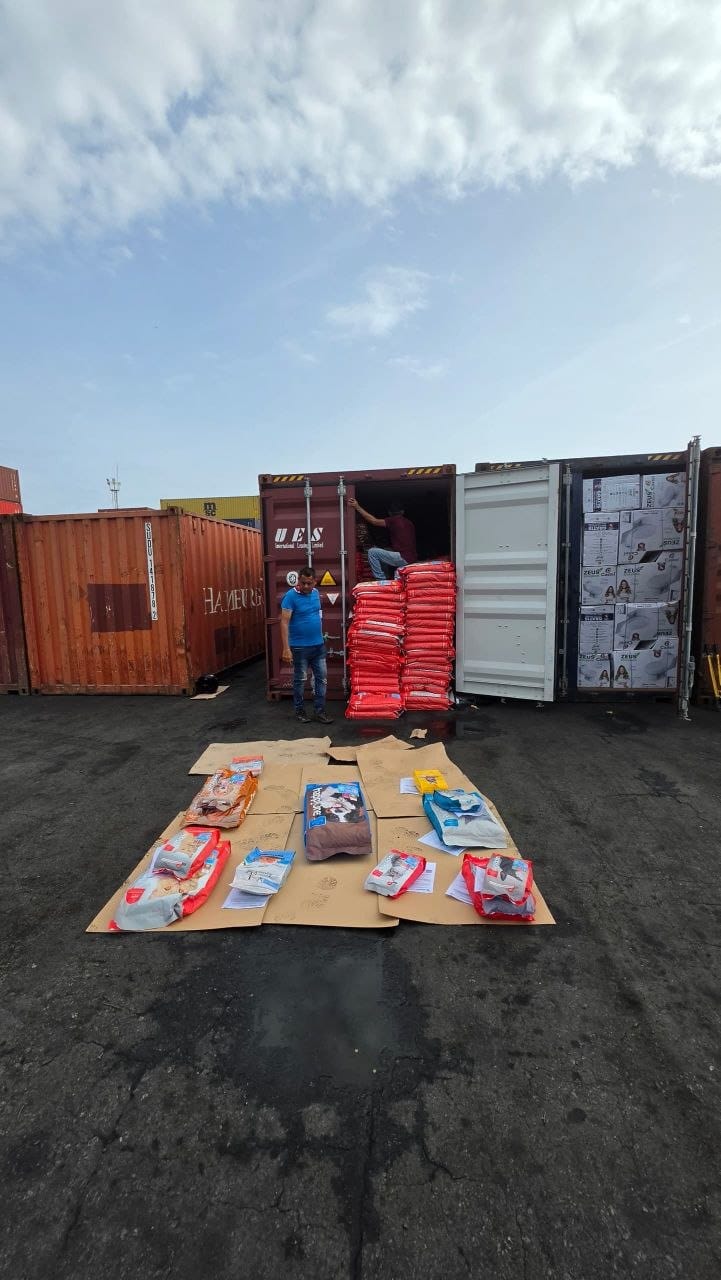
Unloading and opening the container are physical operations carried out by the carrier, terminal, warehouse or authorized consolidator. The customs broker coordinates the importer's file and checks that the documents are consistent with the cargo.
5. Declaration, taxes and customs inspection
After arrival, the broker transmits the DUA with its supporting documents. The declaration states the classification, value, origin and applicable legal regimes. Duties are assessed, and customs may conduct a document review or physical inspection.
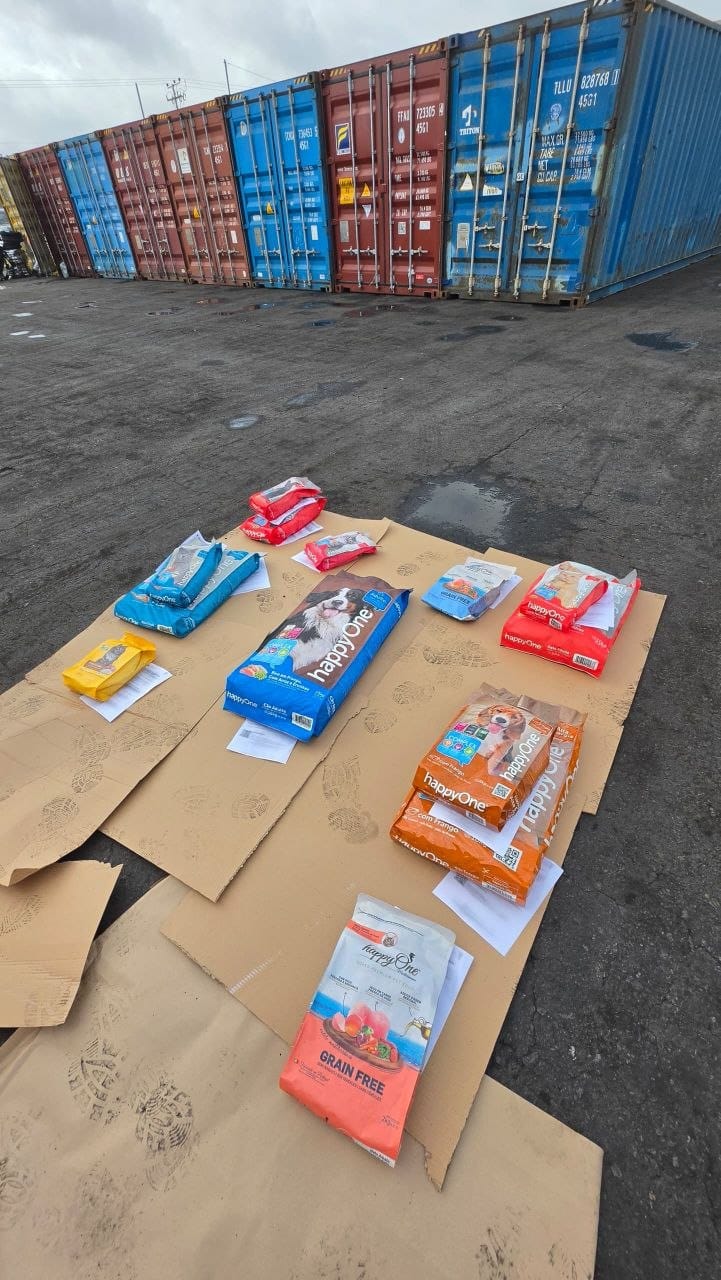
During inspection, customs may verify identification, quantity, weight, value, origin, classification and permits. The customs broker presents the file, responds to observations and follows the procedure. The broker does not replace the authority or perform the unloading.
6. Customs release and authorized pickup
Once the requirements are met and customs authorizes release, the cargo may leave the relevant facility. The inland carrier moves it to the agreed destination.
Who does what in the operation
| Party | Main responsibility |
|---|---|
| International supplier | Prepares the goods and issues the commercial documents |
| Carrier | Transports the cargo and files the manifest |
| Consolidator | Groups LCL cargo, issues its document and performs deconsolidation |
| Terminal or authorized warehouse | Receives, stores and releases the cargo when authorized |
| Customs broker | Reviews the file, prepares and transmits the declaration, and follows the customs procedure |
| SENIAT and other authorities | Apply controls, verify requirements and authorize release when appropriate |
This distinction matters. Hiring a customs broker does not mean the brokerage owns the vessel, unloads the container, stores the goods or provides the inland truck.
Consolidated cargo, deconsolidation and storage
With LCL, several shipments share one container. The consolidator coordinates storage, checks the condition of the packages and physically deconsolidates the goods within the applicable deadline.
Physical deconsolidation and storage are performed by the authorized companies responsible for those services. UNICA manages the customs procedure and document review; it does not perform or sell those physical services.
While the cargo remains under customs control, it may only stay in authorized areas or facilities and may only be released with the corresponding authorization.
How much does it cost to import goods into Venezuela?
There is no total percentage that applies to every product. The account may include:
- Import duty: depends on the tariff subheading and, when relevant, origin. It is calculated on the customs value.
- VAT: the current rate is applied to the legal tax base, which includes the customs value and the applicable customs items.
- Customs fee: the applicable rate and base are confirmed for each operation.
- IGTF: its application depends on the legal case, payment method, channel and recipient. It cannot be determined only by saying the payment will be made in bolivars or foreign currency.
- Freight and insurance: part of international logistics and customs valuation.
- Port and logistics charges: may include handling, deconsolidation, storage, delays and inland transport, depending on the operation.
- Professional fees: the customs broker's work.
Certain capital goods and information technology or telecommunications goods may qualify for a tariff benefit if the subheading is listed, the current conditions are met and the required certification is obtained. A product does not qualify automatically because it is called machinery or equipment.
How long does it take, and which deadlines matter?
The total time includes several stages:
- Preparing documents and permits.
- The ocean voyage.
- Deconsolidation for an LCL shipment.
- Declaration, payment and inspection.
- Release and transport to the final destination.
The declaration must be filed within the deadline that applies after the goods enter Venezuela. This is why the file should not be prepared only after the vessel starts unloading.
Legal abandonment may apply when goods are not accepted, declared or withdrawn within the applicable period. The deadline and its application must be confirmed for each shipment.
Mistakes that increase the cost of an import
- Buying without reviewing the tariff subheading and permits. The product may require a registration that cannot be obtained after arrival.
- Using generic descriptions. Spare parts or equipment is not enough to classify or declare the goods.
- Submitting inconsistent documents. The invoice, packing list, technical sheet and BL must describe the same shipment.
- Treating a certificate of origin as a universal requirement. Its use depends on origin, the tariff benefit or the applicable regulation.
- Confusing FCL with LCL. Consolidated cargo adds documents, parties, deconsolidation and separate costs.
- Assuming all machinery receives an exemption. A benefit depends on the subheading and current conditions.
- Waiting until arrival to organize the file. The DAI and permits are handled in advance.
What does the customs broker do for general cargo?
The broker reviews the technical and commercial information, proposes the classification, identifies legal regimes, prepares and transmits the declarations, calculates duties based on the available data, follows the inspection and manages the file through customs release.
UNICA is based in Puerto Cabello and handles customs operations through the ports of Puerto Cabello, La Guaira and Maracaibo. See our general cargo service or read more about what a customs broker does in Venezuela.
Frequently asked questions
How do you export goods to Venezuela from another country?
For the supplier in the country of origin, the shipment leaves as an export. When the cargo enters Venezuela, it is processed as an import and must comply with Venezuelan customs requirements.
UNICA handles document review, the customs declaration and clearance in Venezuela. Export filing in the country of origin remains the responsibility of the supplier and the authorized operators in that country.
Which documents does UNICA need to quote general cargo?
Commercial invoice, packing list, BL, ocean freight value and technical sheet. If one is not yet available, we can review the case on WhatsApp. This list supports the quote and pre-shipment review; the customs declaration also includes the DUA and any legal documents required for the product.
Is a certificate of origin required for every import?
No. It is required when claiming a tariff preference or when the product, origin or customs regime calls for it. It should not be listed as a universal requirement without reviewing the shipment.
Can an individual import general cargo?
It depends on the goods, purpose, quantity, customs regime and permits. Having a RIF does not confirm every operation. Before buying, review whether the person can prove consignee status and meet the applicable requirements.
What is the difference between FCL and LCL?
FCL is a full container for one consignee. LCL is consolidated cargo sharing a container with other shipments, and each shipment must be deconsolidated before continuing its own procedure.
Who deconsolidates LCL cargo?
The consolidator is responsible for coordinating storage and physically deconsolidating the goods. UNICA manages the customs procedure and checks that the supporting documents remain consistent.
How much import tax will I pay?
It depends on the tariff classification, customs value, origin and applicable benefits. Import duty, VAT, the customs fee and, depending on the payment, IGTF may apply. Logistics expenses and professional fees are separate from taxes.
When is the customs declaration filed?
The DAI is filed before arrival for non-exempt maritime imports. The DUA is transmitted after arrival within the deadline that applies to the operation. UNICA confirms the timing when reviewing the file.
How long does customs clearance take?
There is no single timeline for all general cargo. It depends on whether documents and permits are ready, whether the shipment is FCL or LCL, the customs inspection and port operations. Pre-shipment review reduces avoidable delays but does not replace the timing of authorities and operators.
Is your company planning a shipment? Request a review of your operation before buying or shipping.